
7 Dealership Marketing Strategies to Boost Sales
Dealership marketing, unlike the powersports or automotive racing aspirations that can inspire its customers, is more than just about showcasing speed, style, or adventure. While the allure of the thrill remains, in today’s digital age, the industry demands more. Dealership marketing efforts must be precise, adaptable, and multi-platformed.
This means that a single-strategy plan won’t cut through the noise in a market saturated with options. Instead, a data-driven and creative strategy is needed for consistent customer engagement and sales. While traditional dealership marketing tactics like print ads and direct mail once worked, powersports brands now need to go beyond static means of dealership marketing. Instead, a dynamic dealership marketing approach is required. Social media marketing, content creation, and email campaigns remain relevant, but without a focus on personalization (or even hyper-personalization in the case of B2B marketing), partnership ecosystems, and innovative activations, these efforts risk falling flat.
For powersports leaders, the challenge isn’t just to sell vehicles but to create an enduring connection with the brand, its product lineup, and encourage repeat customers looking to upgrade their vehicles with the latest models. This article outlines seven actionable strategies tailored for powersports businesses. These approaches are designed to help dealership marketing professionals drive unit sales or “move metal,” while building a cohesive partner ecosystem with dealerships, influencers, and digital platforms.
1. Make The Most Out of Partnerships for Localized Dealership Marketing
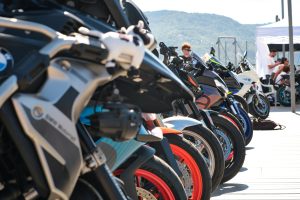
Dealerships are the backbone of the powersports industry. This includes brick-and-mortar dealerships as well as their e-commerce solutions. Allowing them to market based on their specific demographic’s needs and giving them the necessary marketing tools and budget can help expand reach and create a localized presence. Local audiences are more likely to trust dealers they know. In fact, a survey showed that 67% of buyers trust local businesses over online-only brands for purchases, making this approach vital for powersports OEMs to support dealers with conversion.
For example, co-op marketing programs allow brands and dealers to collaborate on campaigns. In such a structure, dealers get access to branded materials, digital assets, turnkey solutions, and financial support for ad spend. As a result, consumers experience stronger brand consistency while dealers leverage customized messages for their specific markets. This allows for national-level campaigns driven by dealer-led initiatives. Ultimately, it leads to better communication, trust, and drives foot traffic to local showrooms.
2. Data-Driven Personalization for Targeted Campaigns
Powersports customers aren’t a homogenous group. Enthusiasts, weekend adventurers, and first-time buyers each have unique preferences. To address this diversity, marketing campaigns must be data-driven and hyper-personalized. AI tools can analyze buyer behavior to segment audiences based on a number of different factors, such as:
- Demographics
- Purchase history
- Engagement levels
- Website visits & device type
- Social media interactions
- Interests & preferences
- Location & seasonality
- Customer sentiment
- Customer churn risk
- Customer lifetime value (CLTV)
- Fraud risk
- Budget
- Competitive affinity, and more.
For example, a customer who frequently browses personal watercraft content should receive email offers or ads about the latest models, and not necessarily motorcycle and side-by-side offers unless their behavior makes it clear they are a potential buyer. Data also helps brands predict customer needs. If someone purchased a motorcycle last year, they might now be interested in accessories or maintenance plans. Personalization strengthens customer loyalty and ensures higher ROI on campaigns.
3. Omni-Channel Marketing for Consistent Messaging
In powersports, customers engage across multiple platforms, ranging from social media to dealership websites, emails, forums, and more. An omnichannel strategy ensures a seamless experience wherever they interact with your brand. For instance, if a customer starts exploring models on a dealers website and opts-in to marketing messages, make sure the email campaigns and social media ads reflect their interests. Use retargeting to remind them about their browsing history or offer a test ride at their nearest dealership. For some high-return clients, hyper-personalization may be more important.
However, hyper-personalization is usually better suited for B2B clients due to the sheer costs involved. It is important to conduct an opportunity cost analysis before making a decision. Consistency in branding, tone, and offers across platforms builds trust; especially in high volume digital campaigns. Additionally, integrating digital and physical touchpoints — like offering QR codes on print ads that lead directly to digital booking forms or active promotions — further enhances user engagement and convenience.
4. Tap Into Influencer and Enthusiast Communities
Influencers and enthusiasts are voices that are generally heard with a keen interest in the powersports space. Working with them amplifies your brand’s reach and credibility; but be careful about which influencer you choose to work with. Not all influencers may fall in line with your brand voice. For instance, an online gamer who focuses purely on racing games may not be the best option for a B2B endorsement or marketing campaign.
Authenticity and brand consistency is key; powersports enthusiasts value genuine recommendations over corporate pitches. Forums and enthusiast communities can play a particularly impactful role here, as most recommendations made here are not made with the corporate mindset.

Look for influencers who resonate with your target audience and your brand voice. For example, a popular dirt bike racer with active field experience could showcase your latest off-road model, while a boating vlogger might highlight the unique features of your watercraft.
User-generated content (UGC) can also be a goldmine. Encourage existing customers to share their experiences on social media and tagging your brand. This creates authentic testimonials, leading to word-of-mouth marketing (a.k.a. referral marketing); the most powerful form of marketing there is.
5. Real-Time Digital Activations for Engagement
Live events, such as races or product launches, are prime opportunities for digital activation. Using tools like live polls, photo contests, or streaming platforms can extend the event’s reach beyond physical attendees.
For example, host a live Q&A with a sponsored athlete or product expert during an event. Pair it with interactive elements like audience questions or real-time voting on design preferences for upcoming models. These activations increase visibility, capture valuable first-party data, and keep your audience engaged.
6. Showcase Sustainability to Attract Conscious Buyers
Eco-consciousness is no longer optional in dealership marketing. With the rise of electric motorcycles and sustainably produced products, powersports brands can attract environmentally aware customers by highlighting green initiatives.
Dealership marketing campaigns should emphasize efforts like reduced emissions, recyclable materials, or energy-efficient manufacturing processes. For instance, showcasing how an electric street bike performs on par with traditional models while being eco-friendly could sway a hesitant buyer or show the use case as an efficient commuter bike. This strategy not only appeals to new customers but also strengthens your brand’s long-term reputation.
7. Optimize Digital Platforms for Sales Conversions
Your digital presence serves as the first point of contact for many customers. A poorly optimized website or app can deter potential buyers, regardless of how great your product is. Ensure your website is fast, mobile-friendly, and easy to navigate. Features like 360-degree product views, virtual test rides, and financing calculators enhance the user experience.
SEO is another critical component. Optimize for medium- and long-tail keywords that your audience frequently searches for, such as “best dirt bikes under $5,000” or “jet ski dealers near me.” Combine this with local SEO tactics to drive dealership visits, while interstate or international marketing can be done solely online. For this, you will also need to integrate e-commerce features where possible. Apart from international or inter-state sales, this form of marketing also helps with local sales. While many customers still prefer in-person purchases, offering online booking for test rides or service appointments removes barriers to engagement, while streamlining the buying process.
Conclusion
Marketing in the powersports industry demands agility and innovation. Adopting strategies like dealer empowerment, data-driven campaigns, and omni-channel approaches can position your brand for long-term success. Collaborations with influencers and a focus on sustainability further solidify your brand’s reputation. Remember, the goal isn’t just to sell products but to create a memorable and lasting connection with your audience.
Need help crafting a tailored dealership marketing strategy for your channel marketing initiatives with dealership partners? Cooperate Marketing specializes in driving measurable results through innovative solutions. Let us help you move metal and build partnerships that deliver. Visit CooperateMarketing.com to get started.
Get your free checkup
Learn moreGet your free check up today!
Send us a note to learn a little bit more about our co-marketing solutions. Our exclusive multi-point assessment of your current program includes real, actionable steps you can take to improve its performance.